In my Simon in Germany post Remember, Remember, the 5th of November, I wrote about November and the very different ways the UK and Germany mark the month.
In this lesson we'll read about four traditions that share one date, learn vocabulary for commemorations and celebrations, and practise comparing and contrasting traditions.
This lesson comes from my Simon in Germany blog post.
Read: Remember, Remember, the 5th of NovemberActivity
Which days in November are important in your country? Are they happy, serious, or commercial?
Reading: One month, many meanings
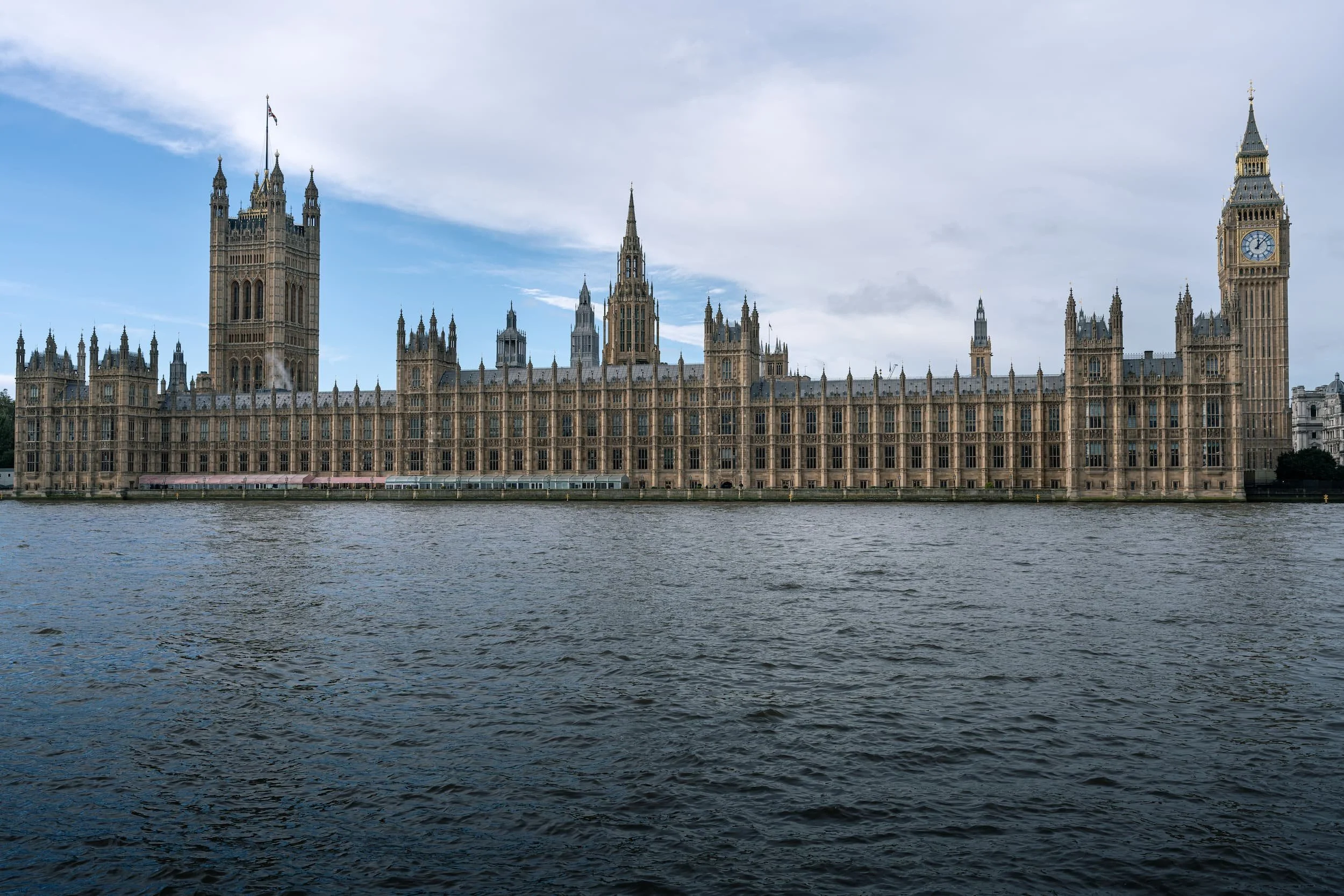
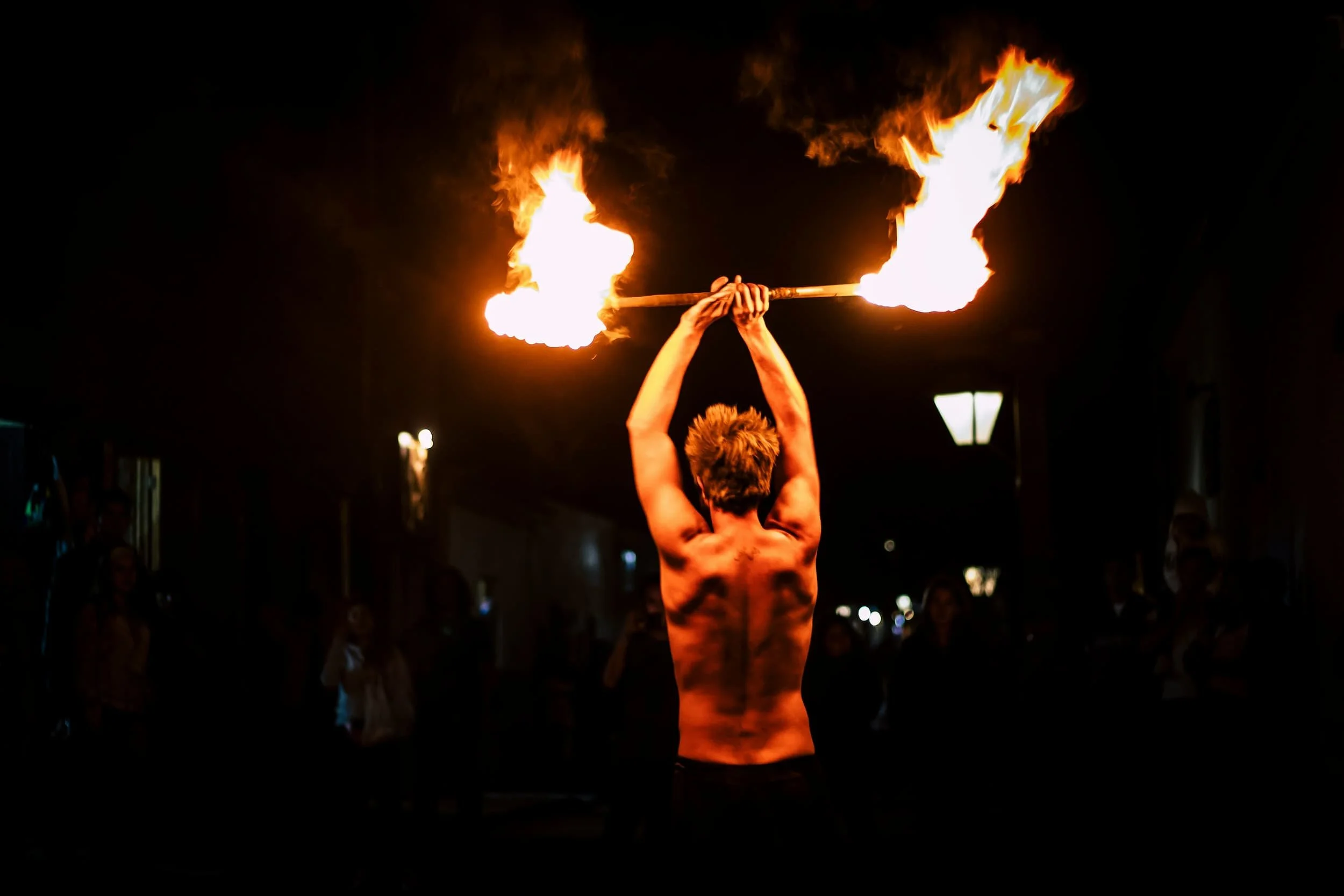
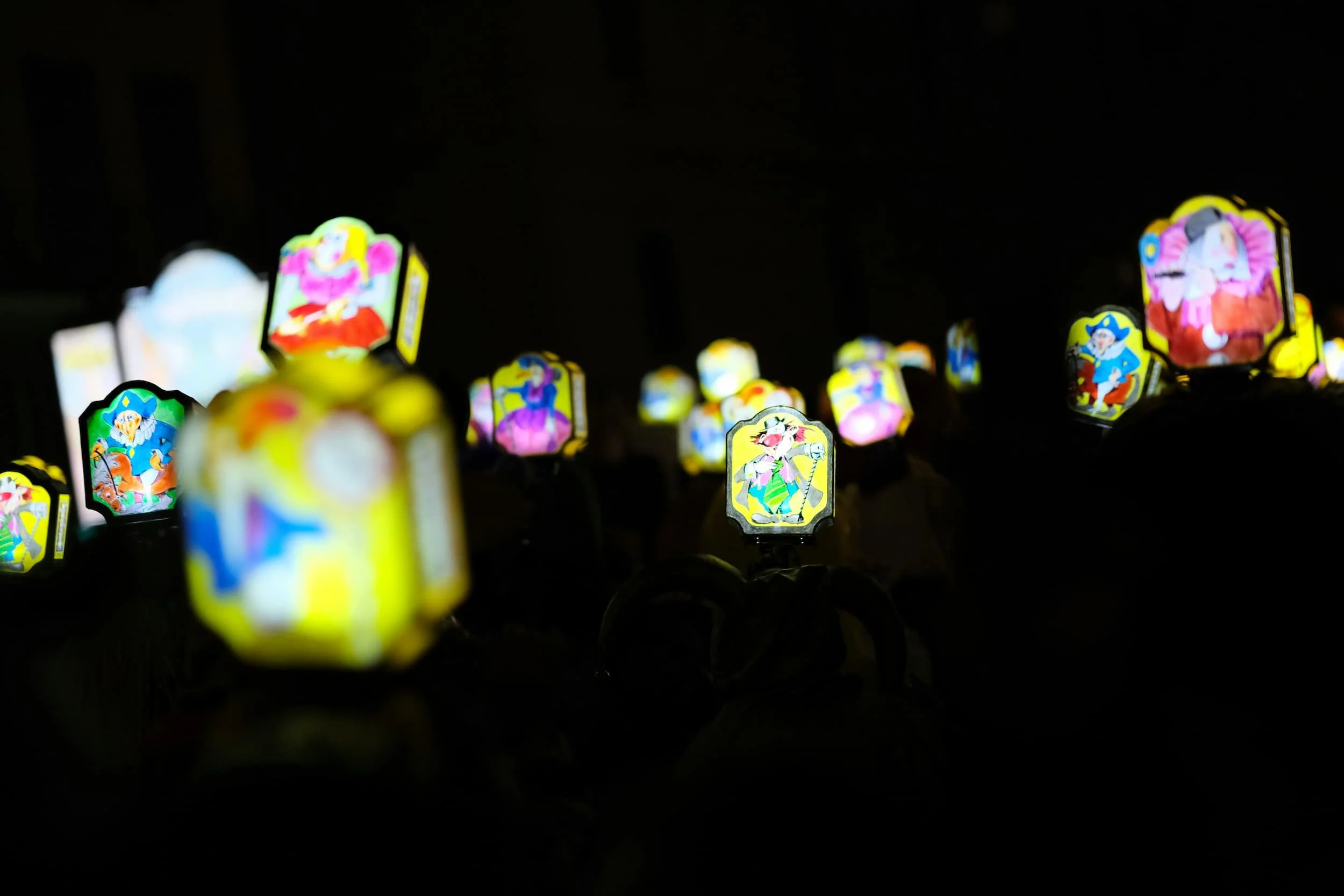
November has a reputation as a grey, forgettable month, but the calendar tells a different story. In the UK, 5 November brings bonfires and fireworks to mark a plot that failed over four hundred years ago. Less than a week later, on 11 November, the mood changes completely. At 11 o'clock, many people stop for a two-minute silence to remember those who died in war, and red poppies appear on coats across the country. In Germany, the same date has a very different feel. Children carry lanterns for St Martin's Day, while in the west of Germany, in cities such as Cologne and Düsseldorf, Carnival officially begins at 11:11. Meanwhile, in China, 11.11 has become Singles Day, now one of the biggest shopping events in the world. One date, four completely different traditions.
Vocabulary
| Word / phrase | Meaning | Example |
|---|---|---|
| to mark | to show that an event is important | So every year I buy sparklers to mark Bonfire Night. |
| to commemorate | to remember an important event or people officially | I always thought I'd keep that commemoration going wherever I lived. |
| solemn | serious and respectful | On 11 November, the mood in the UK is solemn. |
| to observe (a silence) | to follow a custom or rule | Many people observe a two-minute silence at 11 o'clock. |
| a poppy | a red flower worn in the UK to remember people who died in war | It is highly likely you'll see people wearing a poppy. |
| commercial | connected with buying and selling | Singles Day has become a huge commercial event. |
| a reputation | what most people think about something | November has a reputation as a grey, forgettable month. |
| the mood | the general feeling at a time or place | On 11 November, the mood changes completely. |
Practice A: True or false?
- The two-minute silence in the UK is at 11 o'clock.
- St Martin's Day is mainly for adults.
- Carnival in Germany starts on 11 November.
- Singles Day began in Japan.
Show answers
1. True
2. False (it's mainly for children)
3. True
4. False (it began in China)
Practice B: Choose the best word
- The ceremony was very (solemn / commercial). Nobody spoke.
- Millions of people (observe / mark) the silence every year.
- November has a (reputation / mood) for being grey and boring.
- Some people think Christmas has become too (solemn / commercial).
Show answers
1. solemn
2. observe
3. reputation
4. commercial
Language focus: Comparing traditions
| Word / phrase | Meaning | Example |
|---|---|---|
| while | shows a contrast between two ideas in one sentence | While 11 November is solemn in the UK, in Germany it is a time for lanterns and Carnival. |
| unlike | shows how one thing is different from another | Unlike Remembrance Day, Singles Day is all about shopping. |
| both | shows what two things have in common | Both Bonfire Night and St Martin's Day involve light in the dark. |
Practice C: Join the sentences
Make one sentence using the word in brackets.
- Bonfire Night is noisy. Remembrance Day is quiet. (while)
- Singles Day is about shopping. Remembrance Day isn't. (unlike)
- St Martin's Day has lanterns. Bonfire Night has fire. They both bring light in the dark. (both)
- Carnival is loud and happy. Remembrance Day is solemn. (unlike)
Show model answers
1. While Bonfire Night is noisy, Remembrance Day is quiet.
2. Unlike Remembrance Day, Singles Day is about shopping.
3. Both St Martin's Day and Bonfire Night bring light in the dark.
4. Unlike Remembrance Day, Carnival is loud and happy.
Practice D: Now read my blog
Read my Simon in Germany post about November, then answer these questions.
- Which German stereotype does New Year's Eve prove wrong?
- Why has Simon stopped observing the two-minute silence?
- Why is it hard for Simon to buy sparklers in Germany?
Show answers
1. That Germans are orderly and predictable
2. Nobody around him stops at 11 o'clock, so he no longer feels part of it
3. They're only really on sale for New Year's Eve
Now find these words in the blog. Can you work out what they mean?
- to kick off
- to drag
- dreaded
- macabre
- stripped bare
Show the meanings
1. to kick off: to start
2. to drag: to seem to go on for a long time
3. dreaded: feared, not looked forward to
4. macabre: strange and connected with death
5. stripped bare: completely empty
Simon says: In the UK, I always stopped for the two-minute silence. Here, nobody around me stops at 11 o'clock, and I've slowly stopped too. I haven't experienced Carnival yet either, because here in the north it isn't really a thing.
Language learning can be really challenging. I know, because I'm a language learner myself. I hope the information and activities were helpful. Try the following:
Should commemorations and shopping events share the same date? Is it a problem when traditions become commercial?
Write a short paragraph comparing two special days in your country. Use at least three words from the vocabulary and one of while, unlike or both.
If you’d like to stay up to date with new posts, sign up below. You can also come and say hi on socials.
This lesson comes from my Simon in Germany blog post.
Read: Remember, Remember, the 5th of November
Image credit: Photo by Salvador Aleguas on Unsplash
Salvador Aleguas https://unsplash.com/@saleguas
Unsplash https://unsplash.com