
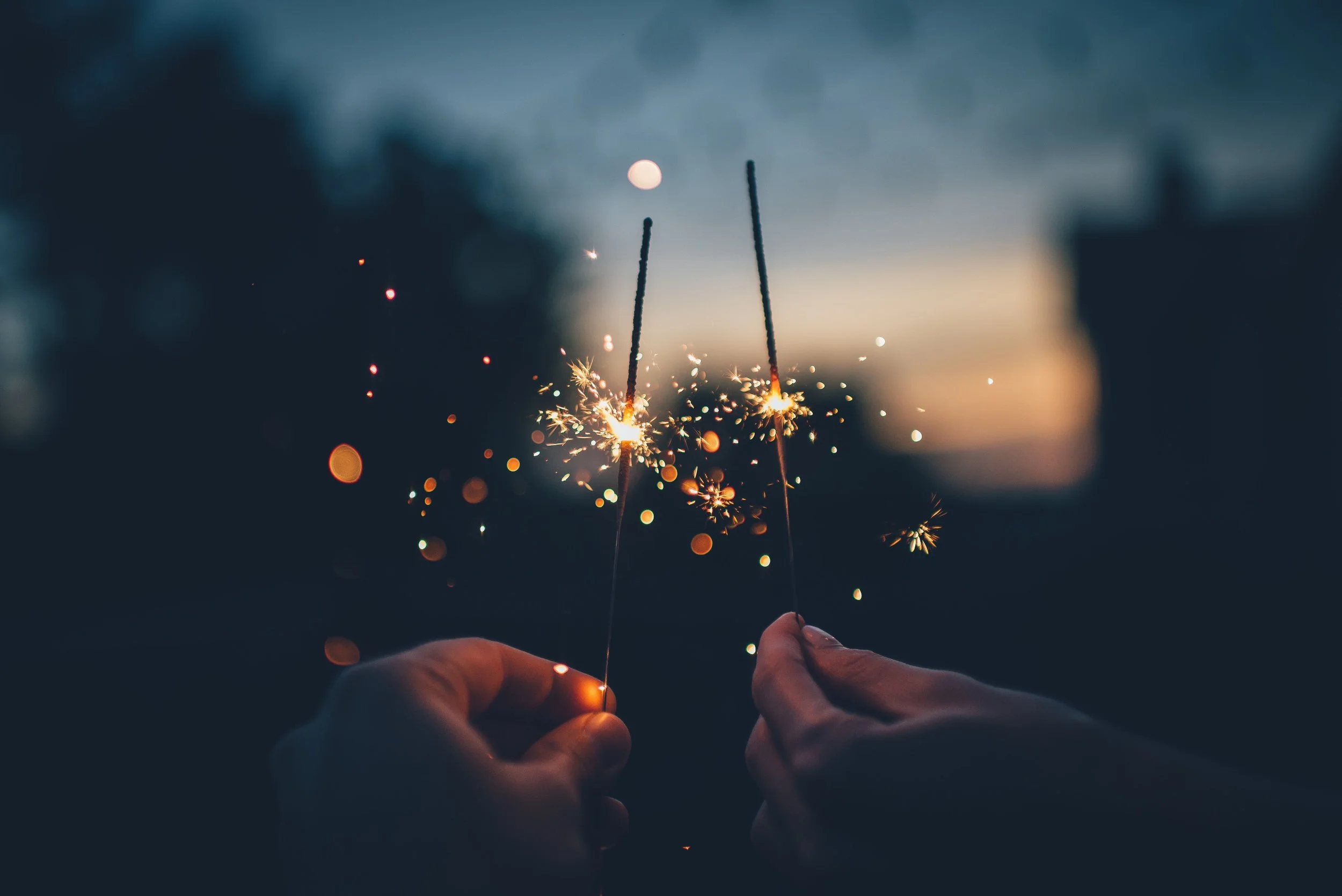
In my Simon in Germany post, I asked whether fireworks should stay, be limited or be replaced, and whether our traditions need to change with the climate.
In this lesson we’ll learn vocabulary for traditions and ceremonies, read my post closely to work out new words from context, and practise giving your opinion on whether traditions should change.
Level: B2+.
This lesson comes from my Simon in Germany blog post.
Read: Remember, Remember, the 5th of NovemberActivity
Think of a tradition in your country that might look strange to an outsider. Why do people still keep it?
Reading: Fire, fireworks and changing traditions
Every year on the 5th of November, the UK commemorates the failed Gunpowder Plot of 1605, when Guy Fawkes attempted to blow up Parliament. In towns such as Lewes, Rye and Winchester, the night is marked by dramatic torchlit processions, and effigies are burnt on huge bonfires, sometimes of unpopular public figures. To outsiders, it can seem macabre. To locals, it's simply part of the community. But attitudes are shifting. Concerns about animal welfare, noise and air pollution, and the debris left behind have led some councils to replace fireworks with drone shows. Critics argue that these lack the atmosphere of the real thing.
Vocabulary
| Word | Meaning |
|---|---|
| to commemorate | to remember an important event officially |
| effigy | a model of a person, often burnt as a protest or tradition |
| procession | a line of people moving forward as part of a ceremony |
| macabre | disturbing because it's connected with death or danger |
| animal welfare | the health and wellbeing of animals |
| debris | pieces of rubbish left behind |
Exercise: Match the halves
- The Gunpowder Plot was a failed attempt...
- To outsiders, burning effigies can seem...
- Some councils have replaced fireworks...
- with drone shows.
- to blow up Parliament.
- quite macabre.
Show answers
1b, 2c, 3a
Simon says: Growing up, I never thought twice about burning effigies. It was only when I explained it to my partner at the time that I saw how odd it looks. When you grow up with a tradition, you're in the inner circle, and it just feels normal.
Now read my blog
Read my Simon in Germany post about November, then answer these questions.
- Why is it difficult for Simon to buy sparklers in Germany?
- What change has he noticed at Bonfire Night since he was a child?
- Why doesn't he think drone shows are a real alternative?
- Which German stereotype does New Year's Eve prove wrong?
Show answers
1. They're really only on sale for New Year's Eve.
2. It used to be bitterly cold, but at recent events he didn't need a coat and the fire was too warm.
3. They don't have the same bang, smell or magic.
4. That Germans are orderly and predictable.
Now find these words in the blog. Can you work out what they mean?
Show the meanings
| Word | Meaning |
|---|---|
| hybridisation | the mixing of different things to make something new |
| inner circle | the people inside a group, who share its knowledge and habits |
| stereotype | a fixed, simple idea about what a group of people is like |
| stripped bare | completely emptied |
Language learning can be really challenging. I know, because I’m a language learner myself. I hope the information and activities were helpful. Try the following:
Should traditions change when the world changes? Write a short paragraph giving your opinion, using at least three words from today.
This lesson comes from my Simon in Germany blog post.
Read: Remember, Remember, the 5th of NovemberImage credit: Photo by Pexels on Pixabay
Pexels https://pixabay.com/users/pexels-2286921/
Pixabay https://pixabay.com