“Passenger trains full of commuters, bound for the office to work in computers. The teacher, the doctor, the actor in farce; the typist, the banker, the judge in first class. Reading The Times with the crossword to do, returning at night on the six forty-two”
From a 1988 British Rail advert, written in the style of W.H. Auden's "Night Mail"
I grew up in Britain, the country that gave the world the modern railway. Yet today, travelling there by train can be baffling. When I lived in Kent, getting to London meant choosing between time and money. At the time of writing, a single from Ashford on the high-speed line (Britain’s only high-speed line, HS1, built thanks to the Eurostar) takes 38 minutes and costs £49.30. The slow train takes nearly an hour and a half for £31.40. Or, if you’re really counting the pennies, there’s a three-and-a-half-hour journey with three changes for £25. And that’s before the ticket maze, where several tickets for one journey can somehow cost less than one.
Down on the Kent coast, the fast line to London was great. It brought money into towns like Folkestone and Margate, but it also brought the DFLs (down from London). The exodus from London gentrified, but arguably revived, towns that had been struggling for decades. Take Margate’s Turner Contemporary: would it have thrived without the high-speed line bringing Londoners down for the day?
Germany, the country I call home, isn't some railway utopia. But I find it hard to complain about Deutsche Bahn (DB). Or do I?
I don't own a car, and I live out in the countryside. But with the Deutschlandticket (D-Ticket), I can get almost anywhere. I can book the Rufbus, a little on-demand bus (actually a car) that takes me to the station, then hop on a regional train, and the whole country opens up, all for one monthly price. The DB Navigator app handles planning, tickets and live updates, and I honestly can’t praise it enough. (The practical details are in the quick facts.)
When I want to go further and faster, I treat myself to the ICE (InterCity Express), Germany's high-speed train, and it's always a pleasure. When the main line between Hamburg and Berlin was closed for almost a year of renovation, it was a pain, but I'd rather see investment than neglect. The result? The journey is now two minutes slower.
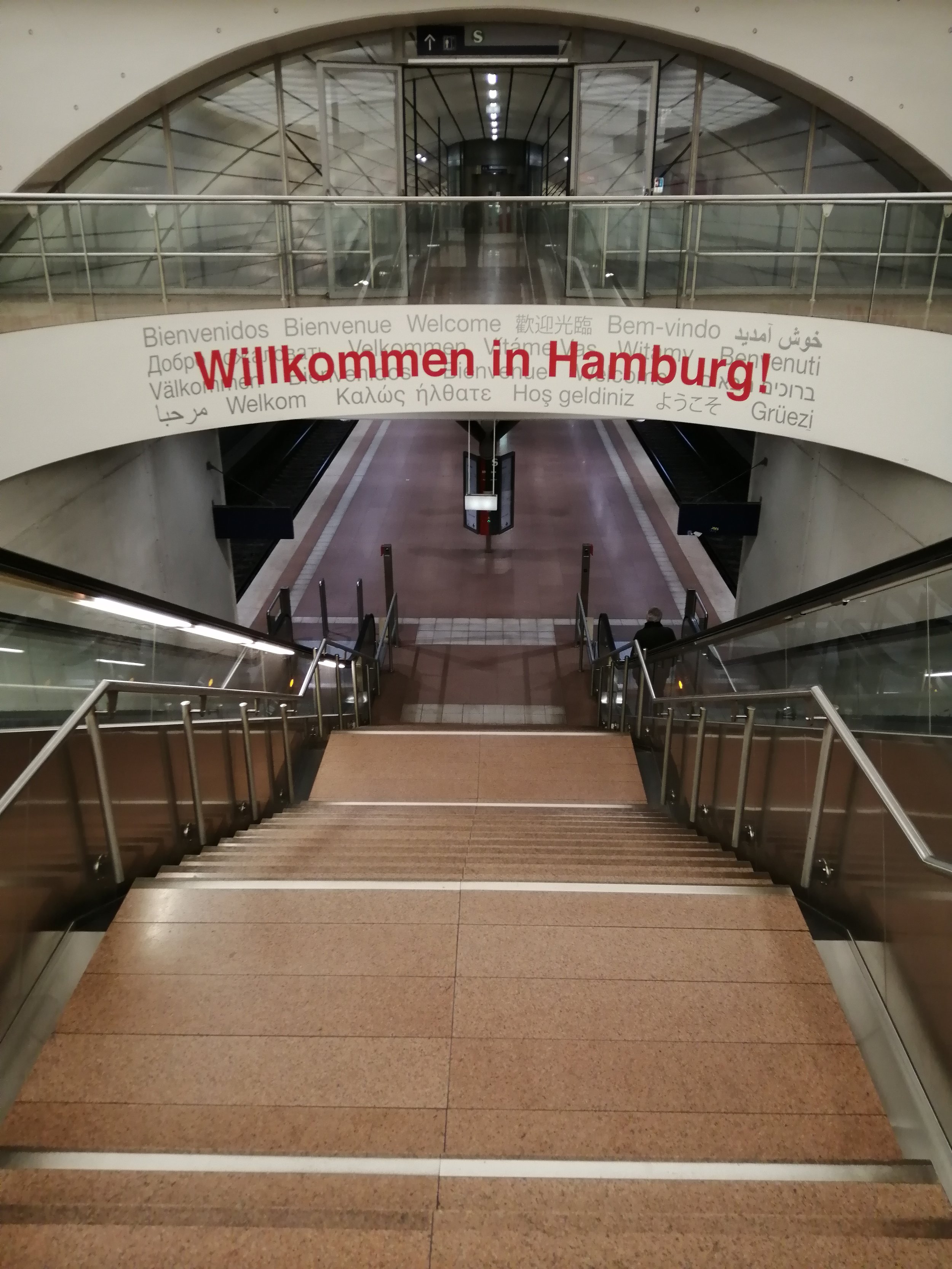
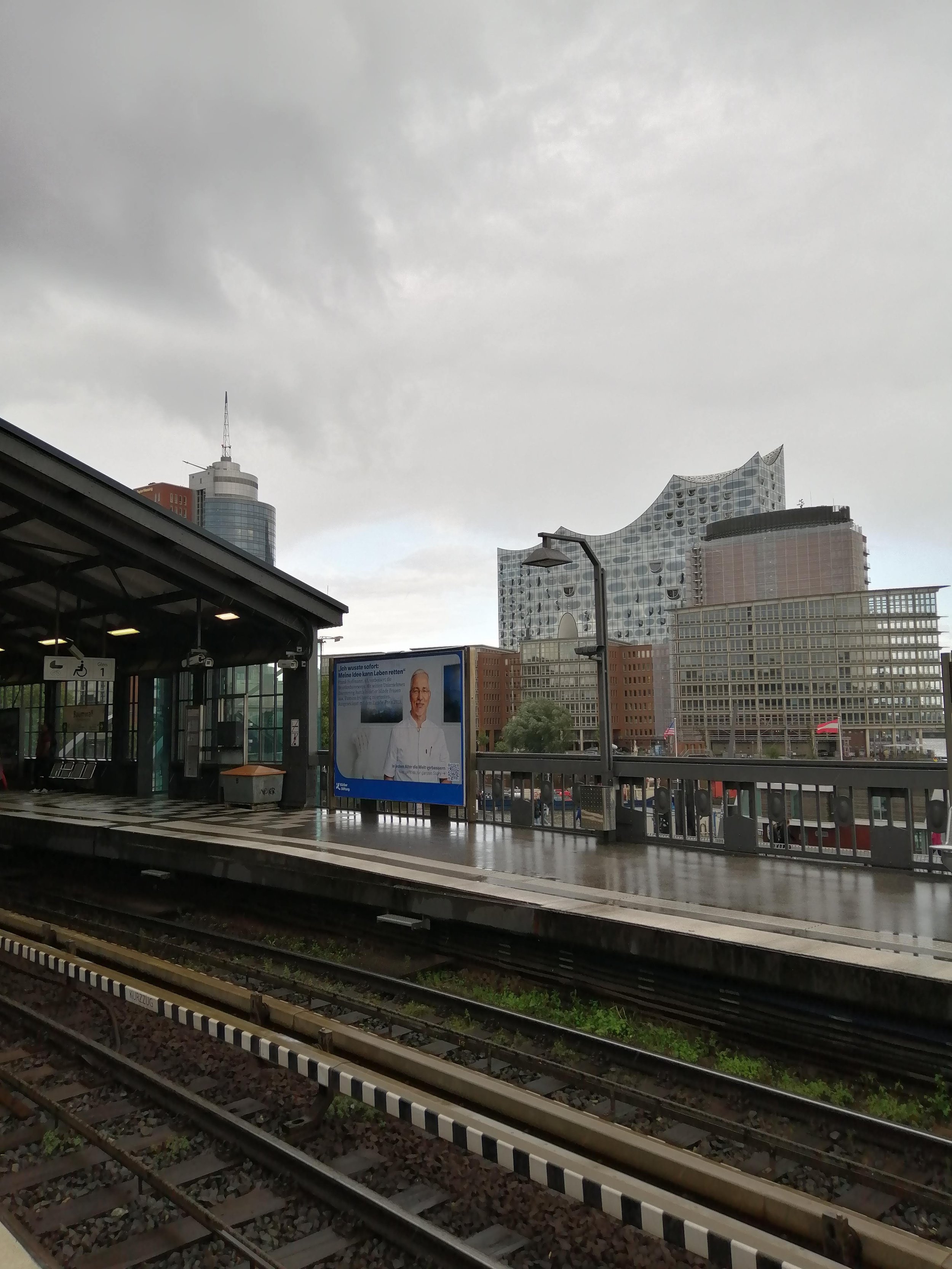
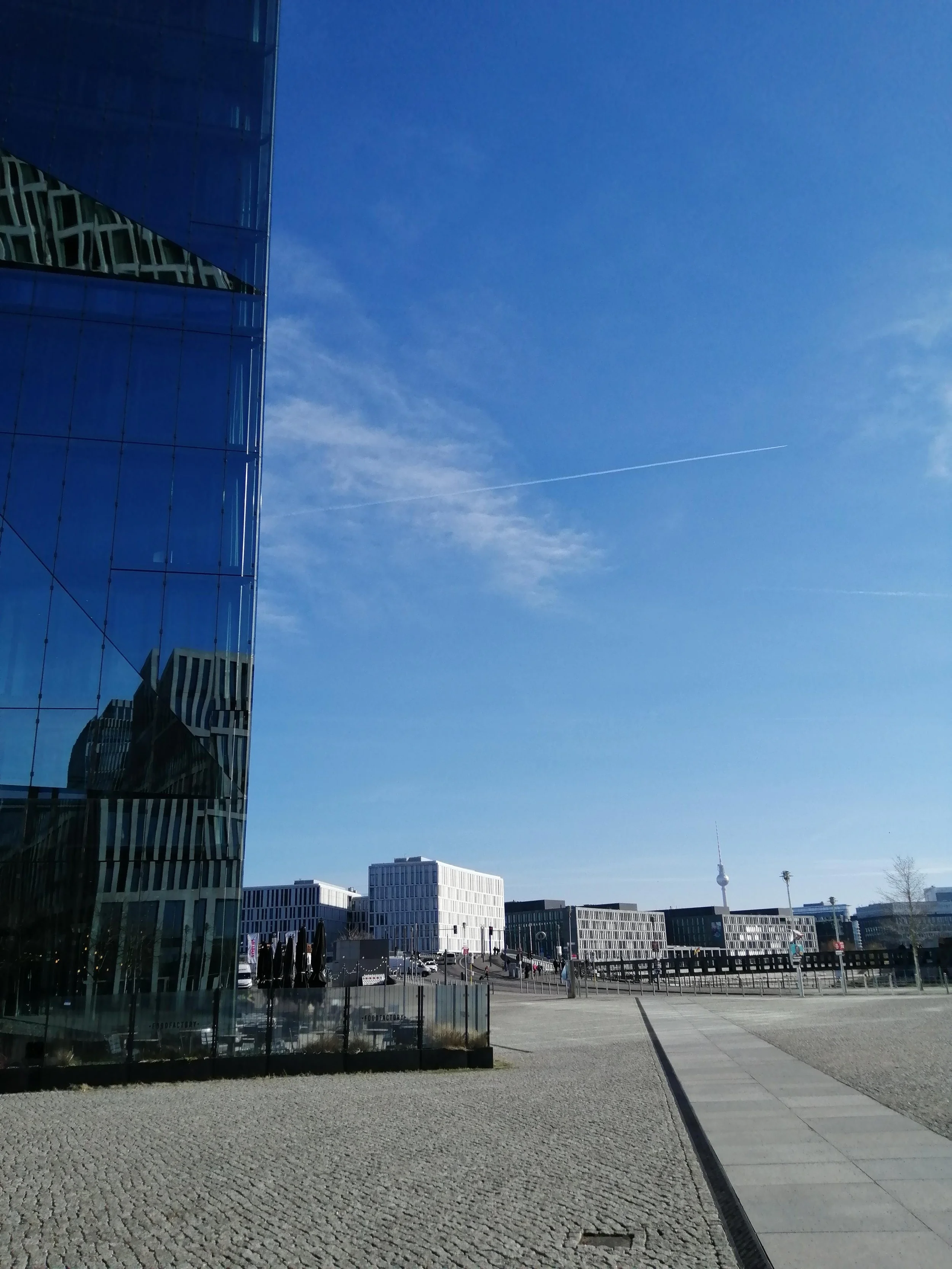
Oddly enough, for me Hamburg and Berlin are the worst and the best of life in Germany. I’m not a city person, more a country bumpkin, if you will. Hamburg Hauptbahnhof, often called Germany’s busiest station, is one of my least favourite. Several trains share the same platform, crowds surge in every direction and it all feels chaotic and disorganised. Honestly, I find it overwhelming. So, I slip through the crowd, hurry down to the U3 and take the longer, more scenic way around, enjoying the view across the harbour. Berlin Hauptbahnhof, by contrast, is right at the top of my list. Multi-levelled, easy to navigate and impressively modern, it reflects many things I love about living in Germany.
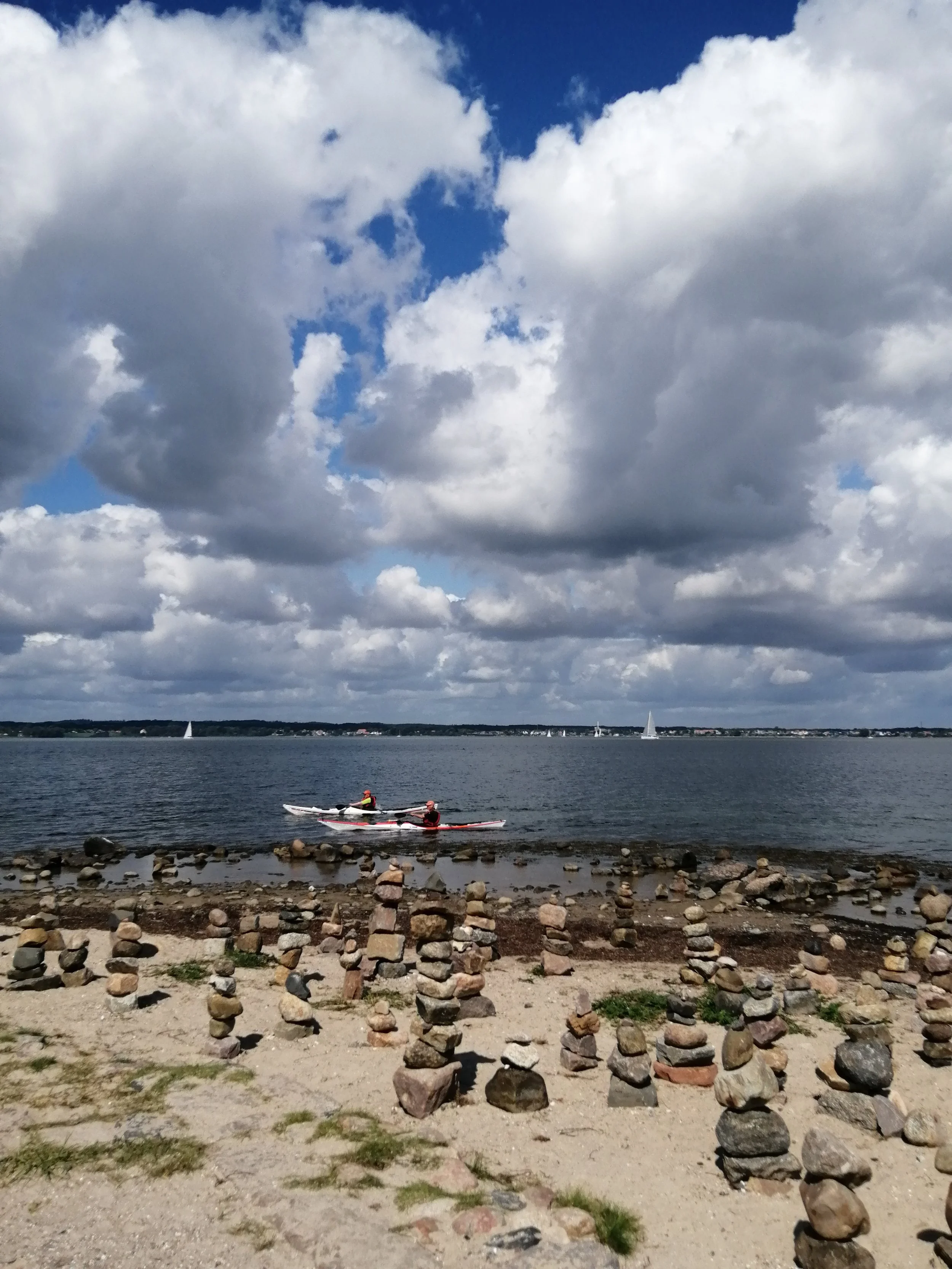
The D-Ticket has given me some of my best days out. One summer, I took the train from Hamburg to Flensburg. Crossing the Rendsburg High Bridge over the Kiel Canal, the flat landscape spread out beneath me. It was breathtaking, but I did notice my fear of heights creeping in! Opposite me sat a Frenchman whose ticket wouldn't scan. When the conductor asked if anyone spoke English, I stepped in, and we ended up chatting for the rest of the journey. He was touring Germany's UNESCO sites by train.
Surprise, surprise, the train was late. I ran for my connecting bus to the beach at Holnis Drei and missed it by minutes. It's the only time you ever wish a German bus would be late! At the stop was a woman I'd noticed on the train, heading to exactly the same place. We caught the next bus together and shared a taxi to the beach, where she was going for her annual swim in memory of her father, who came from the area.
I had a beautiful walk back along the coast, past Glücksburg Castle. But what stays with me is this: without the ticket glitch and the delay, I'd never have met them. Sometimes Deutsche Bahn's failures give you the best parts of the journey.
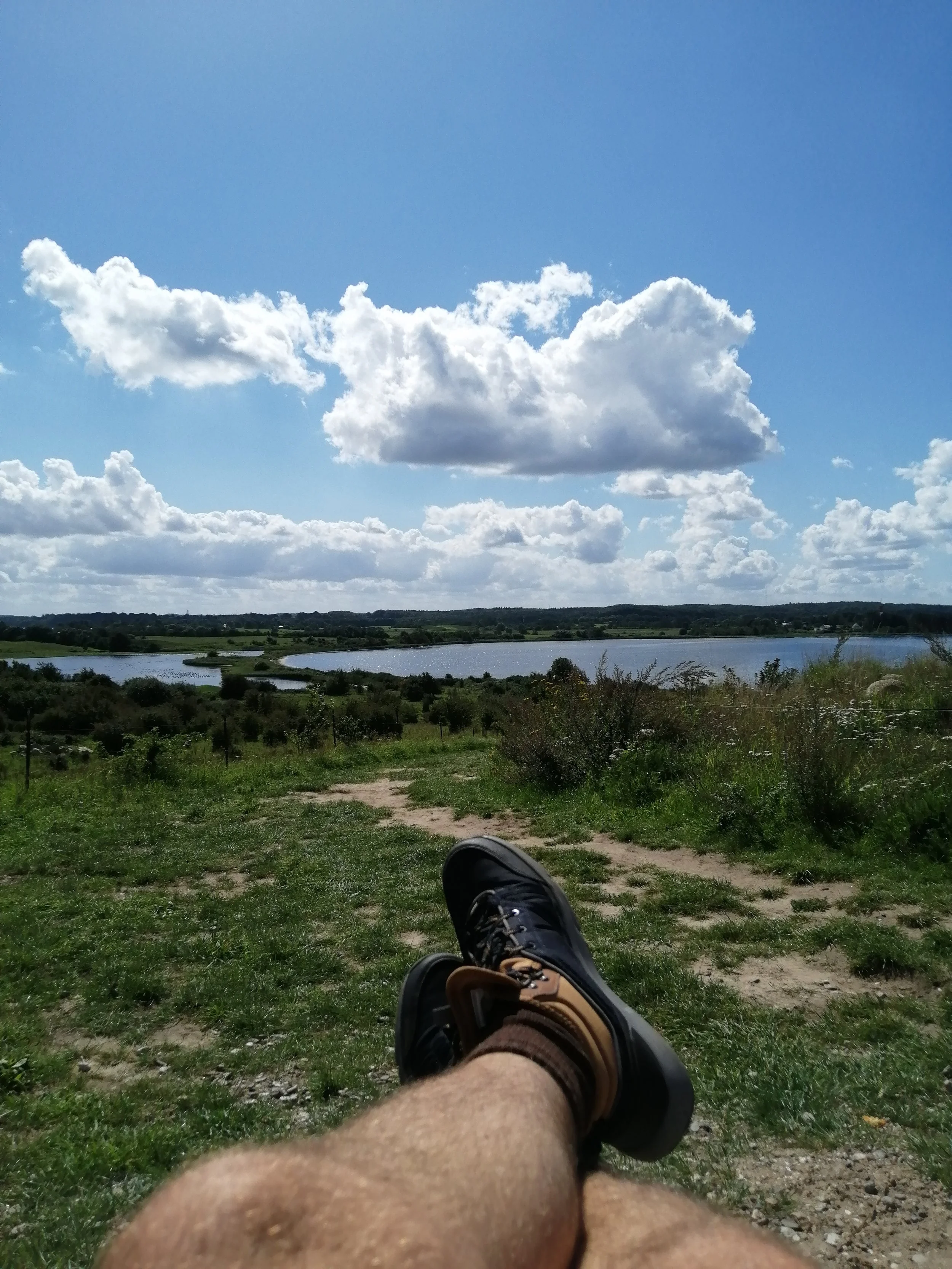
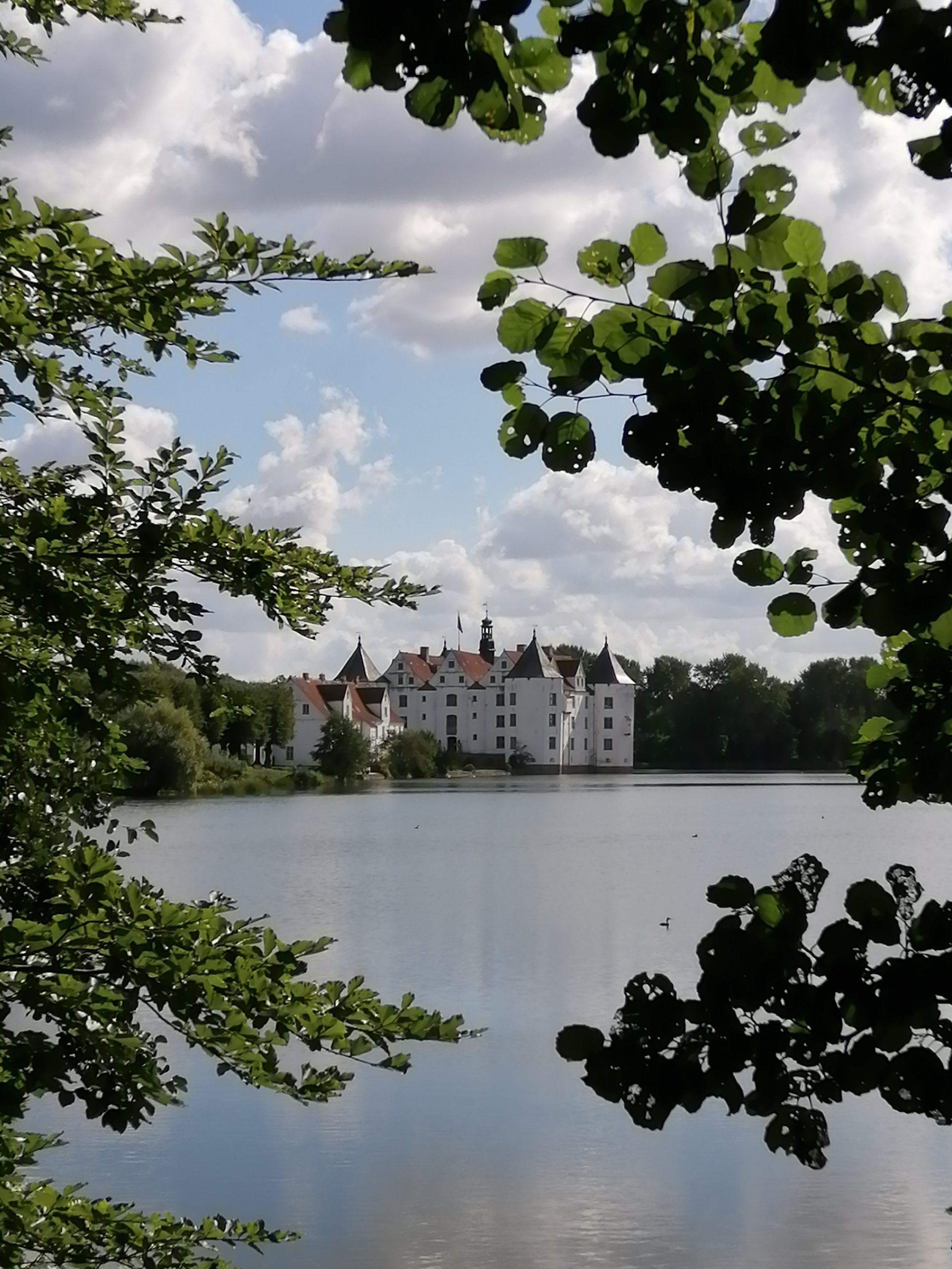
So, is Deutsche Bahn Marmite?
For many Germans, the answer would be a resounding yes. But in my case? I’m firmly on the "love it" side. And I say that as someone who has been kicked off a train and abandoned in the middle of nowhere at least three times! (Don’t worry, it wasn’t personal. Each time, the whole train was told to get off. The reason usually pops up in the DB app, a signal fault or a problem further down the line, but standing on a dark platform, it doesn’t feel much better.)
The most recent was on holiday. After visiting the Göltzsch Viaduct, the world’s largest brick-built bridge, which I'd been looking forward to seeing, I ran for my train and caught it with seconds to spare. I thought how lucky I was, already picturing a relaxing evening back at the hotel. Then, two stops from my destination, in the dark and too far to walk, we were all told to get off. The train simply turned around and went back where it came from. The next one? Nearly an hour later. So much for luck!
This is where the DB app really earns my praise. Which is just as well, because I seem to have a face, or an aura, that tells fellow passengers I know exactly what's going on, so I'm always the one being asked the questions! I'd recommend the app and the D-Ticket to anyone visiting or living in Germany.
So maybe Deutsche Bahn is Marmite. But I, for one, have developed quite a taste for it... even though I absolutely hate Marmite!
Not sure what Marmite means in this context? I’ll explain the whole phrase over on Learn with Simon.
Thanks for reading, and maybe I’ll see you on the next train or platform. Don’t be shy, just say hi!
QUICK FACTS
The Deutschlandticket
One monthly ticket for all local and regional transport across Germany: buses, trams, U-Bahn, S-Bahn and regional trains (second class)
Not valid on long-distance ICE and IC trains, with a few local exceptions
Costs 63 euros a month in 2026, rising to 66.80 euros in January 2027
It's a subscription: cancel before the 10th of the month to stop it for the next month
Launched in May 2023 at 49 euros, following the 9-euro ticket trialled in summer 2022
Trains in Germany and the UK
Germany has around 1,600 kilometres of high-speed railway; Britain’s HS1 is about 109 kilometres
The DB Navigator app is free and available in English
The UK has no national ticket like this, and "split ticketing" (several tickets for one journey) can be cheaper than one ticket for the whole journey