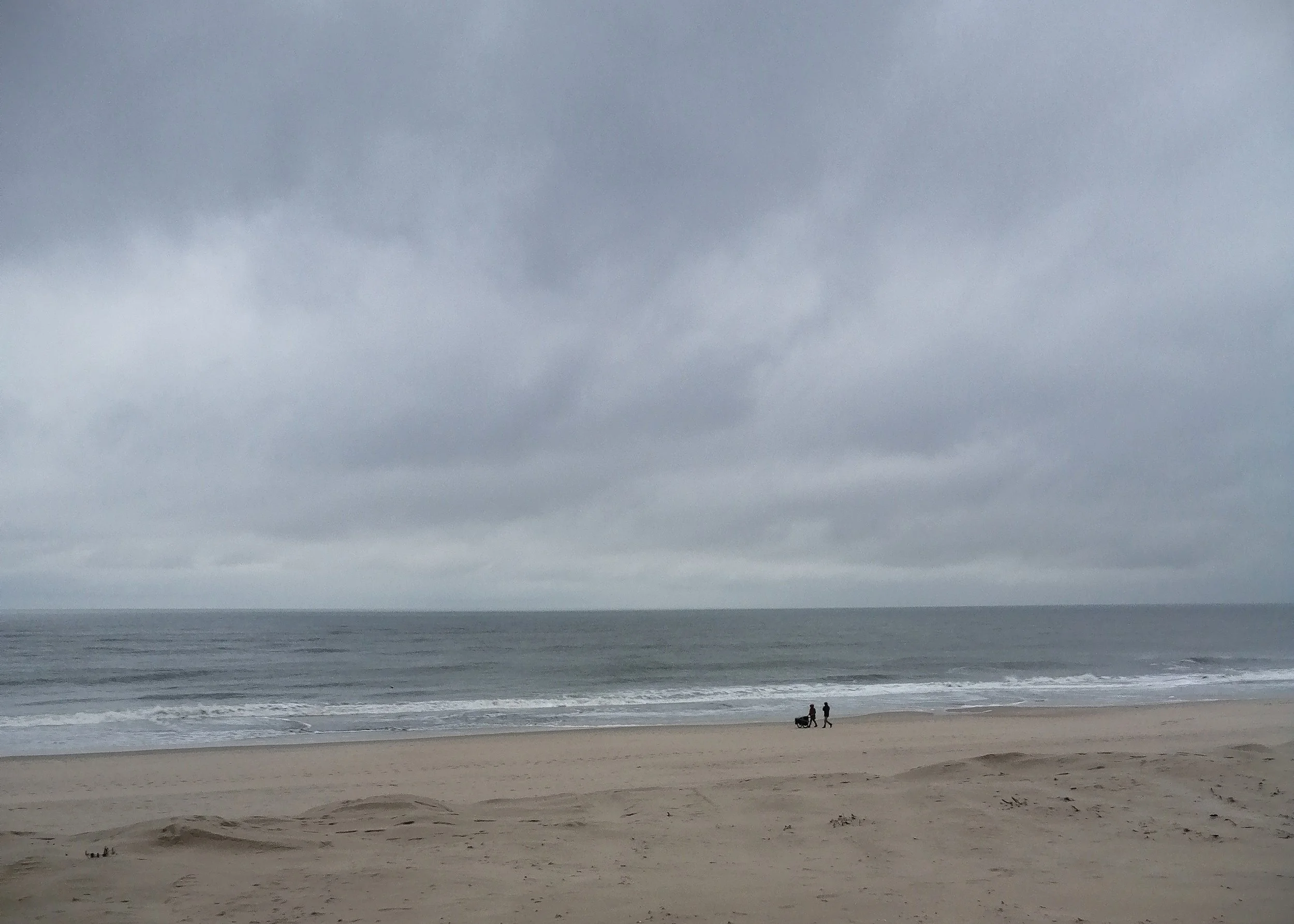
Sylt
October is a month of change. The leaves turn, the evenings draw in, and the winter duvet and jumpers come out. In Germany, there are two changes that are guaranteed: one is the clocks changing, and the other is changing the car tyres.
This weekend the clocks go back an hour. In the UK it is called the end of British Summer Time. The easiest way to remember which way the clocks go is: in spring the clocks spring forward, and in autumn they fall back. ("Fall" is the American word for autumn.)
The good news? We get an extra hour in bed. The bad news? The clocks need changing and the evenings are darker.
Germany was actually one of the first countries to introduce summer time, back in 1916 during the First World War, to save coal. The UK followed a few weeks later. The idea came and went over the years, and in Germany it came back for good in 1980, after the oil crisis of the 1970s, again to save energy.
The UK even tried keeping the clocks forward all year round, between 1968 and 1971. It was dropped, partly because of worries about children walking to school on dark winter mornings.
In 2018 the EU asked people what they thought, and 84% of those who answered wanted to stop changing the clocks. And yet… here we are, still changing them.
Personally, I'd keep summer time all year, meaning the evenings are lighter. For most people who work, winter means going to work and coming home in the dark. That extra hour of light at the end of the day would make a massive difference. Winter is hard enough already.
Dunkelflaute: the German winter nobody warned me about
A few years ago I had one of the worst winters I've ever experienced. Week after week, the north of Germany sat under a thick, low level, endless grey of cloud. It never really got light – the day just went from dark grey to slightly lighter grey and back again. I'd look out of the window in the morning, at lunchtime and in the afternoon, and it was the same grey sky every time. It felt endless. That was the first time I really noticed how different winter is here. Britain is an island so the weather changes all the time – grey one day, bright and blustery the next. You might get soaked in the morning, but there's a decent chance you'll see the sun by the afternoon.
It turns out there's a name for that endless grey. Meteorologists call it anticyclonic gloom – high pressure that, instead of bringing clear skies, traps a thick layer of low cloud that just sits there. The Germans have a brilliant word for it: Dunkelflaute – literally a "dark lull": no sun and no wind.
Von O bis O: the other October change
In the UK, most people never think about changing tyres with the seasons. A bit of snow comes, the country grinds to a halt for a day or two, and that's that. In Germany, October means one thing: get your winter tyres on. The rule of thumb is von O bis O – von Oktober bis Ostern, from October to Easter.
There isn't a fixed date in law, but you must have suitable tyres when there's ice, snow or slush on the roads – and if you get caught without them, you can be fined. So most people just follow the O-to-O rule, and around now the garages are packed and appointments get booked up fast. If you've just moved here and you drive, don't leave it until the first frost!
Since the grim winter I described above, I now use a light therapy lamp (sometimes called a SAD lamp). I sit with it in the morning while I have my coffee and plan the day, and it genuinely helps. I also try to get outside whenever there's any daylight at all, even if it's grey – a short walk can make a big difference. And I remind myself that by February the evenings start drawing out again.