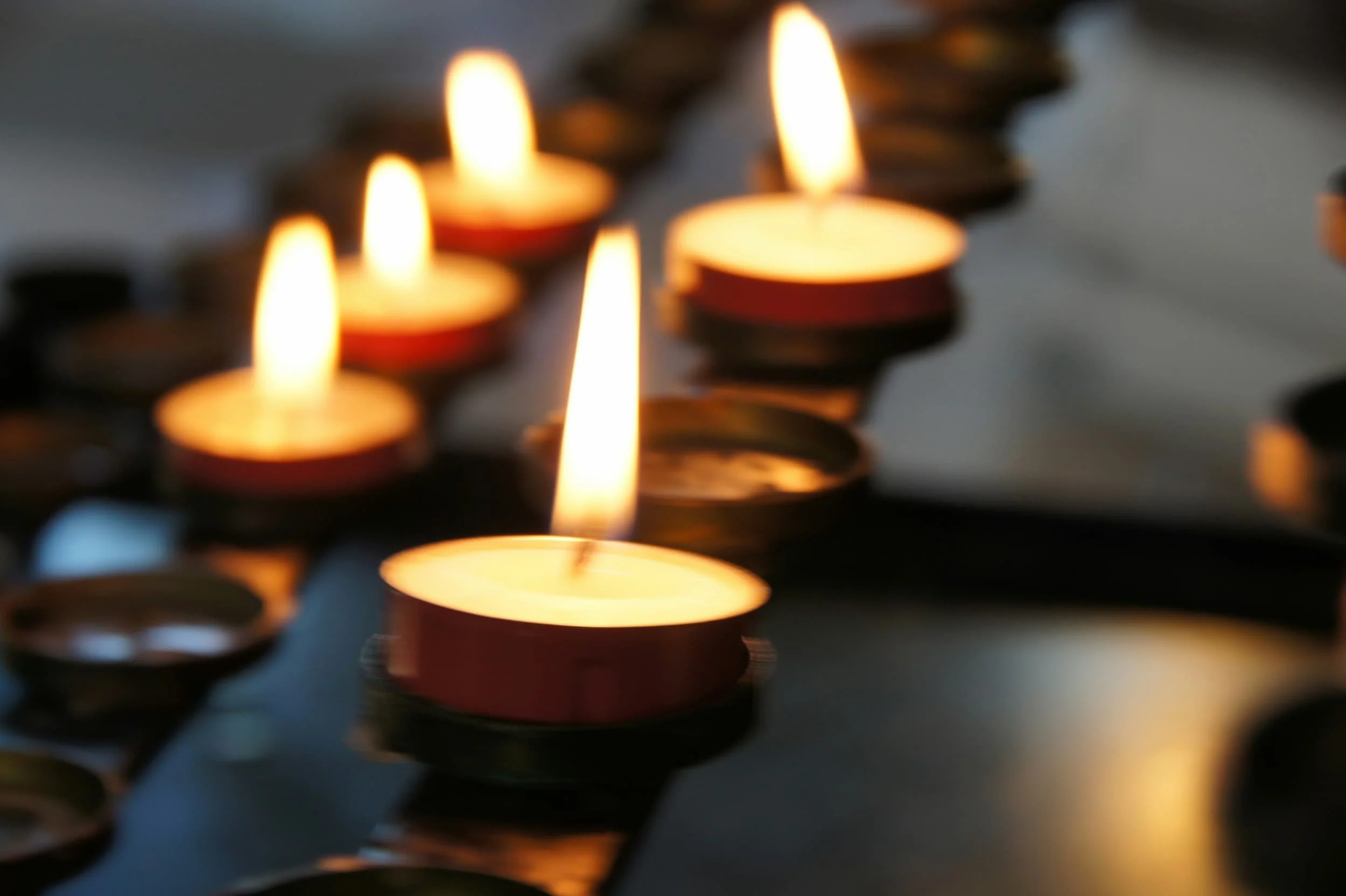
On the 11th of November, it was Remembrance Day in the UK. A few days earlier, on Remembrance Sunday, the whole country had stopped. Royals, politicians and veterans laid wreaths at the Cenotaph. It was on television, and in towns and villages across the country people stood in silence for two minutes. When I lived in a village on the Kent coast, the road was closed every year and I walked with everyone to the village church. Every year there seemed to be fewer veterans.
And then there's the poppy. For most people it's a simple symbol of remembrance, but it isn't as simple as it looks. Every November, public figures are expected to wear one, and anyone on television without one is quickly criticised. Some people wear a white poppy instead, for peace. And the poppy can mean very different things outside the UK. When David Cameron visited China in 2010, Chinese officials asked his delegation to remove their poppies, because to them the flower was a reminder of the Opium Wars. The delegation refused. Something that means remembrance to one country can mean humiliation to another.
It's a strange thing about the British. We're the nation of the stiff upper lip. Don't make a fuss. Keep calm and carry on. And yet, once a year, a whole country stands still together and feels something out loud.
Here in Germany it's different. There is a national day of mourning, Volkstrauertag, this Sunday. Most people I know barely notice it. Even the 3rd of October, the Day of German Unity, isn't really a celebration or a day of remembering. It's just a day off.
I'm not saying one way is right. But living between the two has made me think about how we grieve, and how often we don't. Because some losses don't come with a ceremony at all.
When you move to another country, you lose things. Nobody dies, so there's no funeral, no card and no time off work.
Some losses fade. When I first arrived, I missed British supermarkets. I missed being able to buy a jumper, a lamp and smoked paprika in one shop. Now I actually like walking into a German supermarket, getting what I need and leaving. I've adapted.
Other losses stay. I miss small talk. In the UK you can chat to a stranger in a queue, at a bus stop or in a shop, and for a moment you're connected. Here in the north of Germany, that just doesn't happen. It's a small thing, but small things add up.
And then there are the bigger losses. Moving abroad means letting go of a whole support network. Distance changes relationships, even with family. Out of sight, out of mind sounds harsh, but when you're not around, it's very hard to be part of people's lives.
There's a name for this kind of grief. It's called ambiguous loss, a term from the psychologist Pauline Boss. At the time of writing, I'm still reading her book Ambiguous Loss, but the idea already makes sense to me. It's grief for something that isn’t clearly gone. A related idea, disenfranchised grief, describes losses that aren’t officially recognised at all..
I've been quietly grieving my old life for years. This year the grief became much louder, because my relationship ended.
I'm not going to write about the details. I've been working through it in other ways too. I made a set of ink studies, one for each song on an album that has carried me through, and wrote about them in Sad Old Me.
What I want to say is this. Heartbreak is everywhere. It's in every other pop song, film and TV drama. Because it's so familiar, we treat it as ordinary. But it isn't ordinary when it's happening to you. It's grief, real grief, and we hardly ever call it that.
We're given sayings to help. Absence makes the heart grow fonder. It's better to have loved and lost than never to have loved at all. I'm sure people mean well. But honestly, I'm not sure I believe them. I've known distance at the start of a relationship and distance at the end of one. Missing someone and growing fonder of them are not the same thing. Right now, absence doesn't make the heart grow fonder. It just hurts.
It wasn't always like this. When Prince Albert died in 1861, Queen Victoria wore black for the rest of her life. The Victorians had whole rituals for mourning: black clothes, mourning periods, even mourning jewellery. Everyone could see you were grieving, and they gave you space.
Now black is mostly for the funeral itself, and many families ask for bright colours instead. We get a couple of days off work, a sad post with a heart emoji, and then the feed moves on and we're expected to do the same. Have we Instagramified grief?
Maybe the Victorians went too far. But I think we've gone too far the other way.
Since September, I've been eating in restaurants on my own. I don't mind it. I enjoy the view, I people-watch, and I enjoy the food. But I've noticed something. I reach for my phone and share the moment far more than I would if someone were sitting opposite me. Maybe the phone has become the person across the table. Maybe it's just a habit that hasn't caught up yet. Grief isn't only the big moments. It's reaching for someone who isn't there, even over dinner.
Which brings me back to the 11th. It was also Singles Day. Today it's a giant online shopping event, just like Black Friday, and I'm not a fan of either. But it didn't start that way. In the 1990s, students at Nanjing University invented it as a kind of anti-Valentine's Day, a day to celebrate being single on 11.11, all those ones standing alone. In 2009, Alibaba turned it into a sales event. Now it's creeping around the world. This week I lost count of the Singles Day discounts retailers emailed me.
I like the original idea. We've learned to accept divorce. We've made room for all kinds of families. But where do single people fit in? Society still has a script: education, love, marriage, children. Hallmark films and love songs keep telling it. Being single is treated as a gap between chapters, not a chapter in itself. People pity you, or wonder what's wrong with you. Couples worry you'll be a third wheel, or a threat.
So this year, I suppose I can celebrate Singles Day.
And here's the other thing about the 11th of November in Germany. At 11:11 that morning, in Cologne, Düsseldorf and Mainz, Carnival season officially began. People were in costumes, singing and drinking in the streets, on the same day the UK fell silent.
I've never been to Carnival. My heart isn't ready for it this year. But one day I'd like to go. Maybe that's what a new chapter really is. Not pretending you're fine, but knowing there's something ahead.
Have you been to Carnival? Tell me your stories and recommendations on social media.
Image credit: Photo by Eli Solitas on Unsplash
Eli Solitas https://unsplash.com/@elisolitas
Unsplash https://unsplash.com